NCC Birth Time Predictor
Predict likely birth-time windows from full 9-feature body profile inputs using VedAstro's live Nearest Centroid Classification pipeline with rising-sign validation.
Call this birth-time predictor straight from your own app — open source & free.
Birth Details
NCC Inputs
- The NCC model uses five body-feature inputs: `BodyHeight`, `BodyShape`, `Hair`, `Lips`, and `Nose`.
- Ranking priority is: FinalScore first (purely body-rule match score — active Vedic rules that match the supplied body profile), then MatchingRuleCount, then ActiveRuleCount as tie-breaker.
- Result is a likely time range, not a guaranteed exact birth minute.
- This page is best used as a narrowing step before deeper validation flows.
The Genius Behind This Tool
Part science, part accident, part intuition — the unlikely path that led to this birth-time predictor.
You may find it hard to believe, but the science behind this tool is almost genius — bordering on madness, yet touched by a kind of perfect madness. It is one of those ideas that arrives in a sudden flash: a moment when you know something is true before you can fully explain why. That, I believe, is the same feeling the programmer had when he created it.
This was not just another tool made casually or randomly for its own sake. It has history behind it. It has meaning. It has a story. And although that story is long, it can be summed up simply: some of mankind’s greatest inventions were not born from effort alone, but from coincidence, accident, curiosity

One of the sparks behind this tool came from studying Nearest Centroid Classification, or NCC
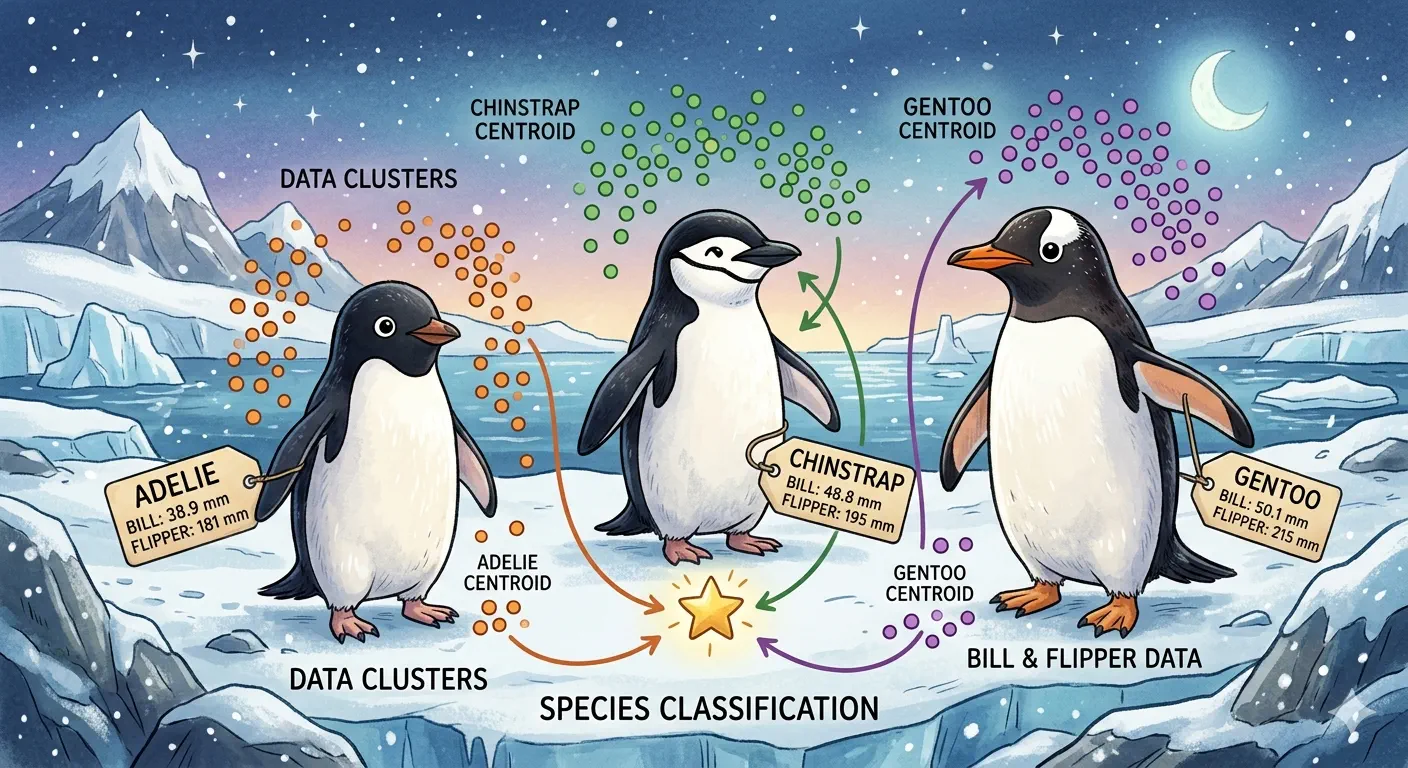
But the real moment of conviction came from James McCaffrey’s
Visual Studio Magazine article on Nearest Centroid Classification
What amazed the programmer was not just that the algorithm was simple, but that it worked so well. In the article’s penguin-species demo, NCC used only 30 training items and 10 testing items, yet achieved 0.9333 training accuracy
That discovery became part of the soul of this tool. It showed the programmer that intelligence is not always found in overwhelming complexity. Sometimes it is found in simplicity arranged with precision. Sometimes the most powerful systems are not the ones that try to imitate every detail of reality, but the ones that find the right center, the right distance, the right pattern, and act on it.
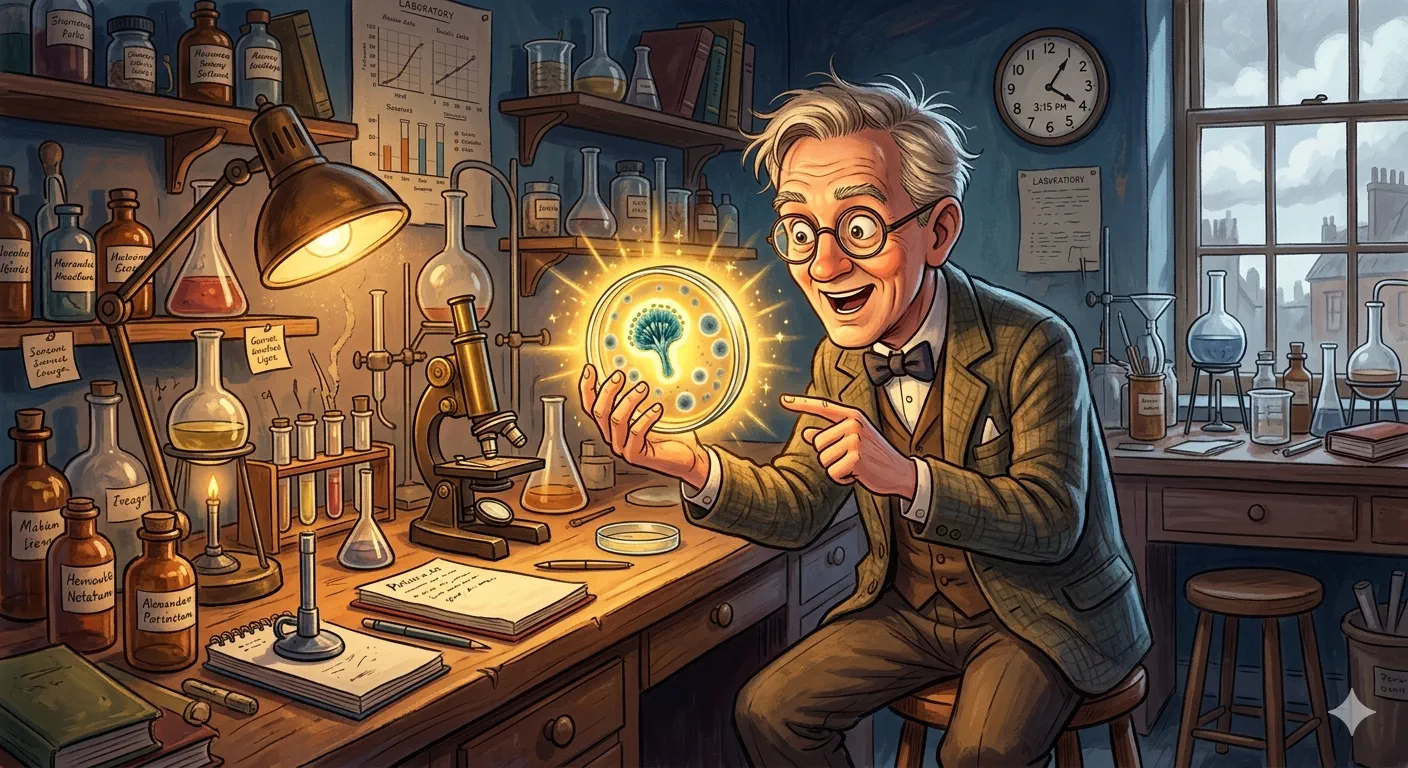
Take penicillin
The same pattern appears throughout history. Refrigeration
This does not belittle human effort. On the contrary, it elevates it. It reminds us that when curiosity, discipline, and openness meet the unexpected, ordinary people can become instruments of extraordinary progress. This tool was born from that same spirit: part science, part accident, part intuition, and part faith that even the simplest idea, when discovered at the right moment, can become something extraordinary.
— built with curiosity, and a quiet trust in the unexpected.